


 Send Inquiry
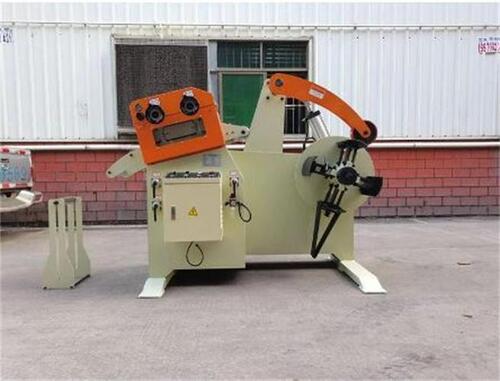
Automatic S Loop Straightener
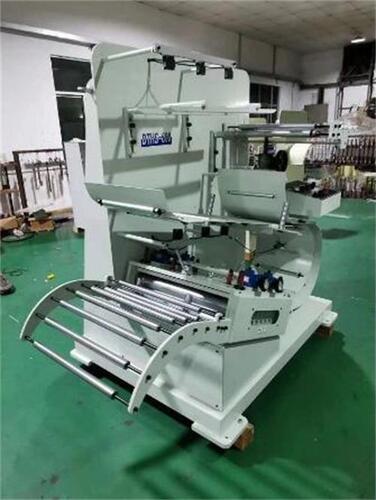

Automatic S Loop Straightener Specification
- Material
- Mild Steel
- Power
- 3 HP
- Voltage
- 415V AC
- Dimension (L*W*H)
- 1400 x 900 x 1350 mm
- Application
- Sheet straightening and de-coiling
- Accessories
- Control panel, safety guard, roll set
- Speed
- 15 m/min Adjustable
- Roller Adjustment
- Motorized, Precision Controlled
- Feeding System
- S-Loop Mechanism with Sensor Feedback
- Roller Material
- High Grade Alloy Steel
- Max Sheet Width
- 1200 mm
- Weight
- Approximately 980 kg
- Noise Level
- < 72 dB
- Control Type
- Automatic with Touch Screen Interface
- Structure
- Heavy Duty Welded Frame
- Max Sheet Thickness
- 4 mm
Automatic S Loop Straightener Trade Information
- Minimum Order Quantity
- 1 Unit
- Payment Terms
- Cash in Advance (CID), Telegraphic Transfer (T/T)
- Main Export Market(s)
- Asia, South America, Middle East
- Main Domestic Market
- All India
Automatic S Loop Straightener About
Automatic S loop Straightener FEATURES:
1. Automatic S loop Straightener is used for High-Speed Stamping Presses for Electrical Motor / stator / rotor Stamping Automatically.
2. Automatic S loop Straightener is precision equipment for achieving higher degree of flatness & higher line speed.
3. Each Straightening Rolls have a set of backup rolls for prevention of roll deflection. They normally are used on High-Speed Pressure and have variable drive with loop control. Two sets of Pinch Rolls are provided both at entry and exit for large pull at high speeds.
4. The control panel with A.C. frequency variable drive would control the feeding at high speed with a proper loop.
(The price of the website platform is not the actual quotation, please contact us for the specific quotation according to your products and suitable machine models)
Advanced Sheet Straightening Technology
Utilizing an innovative S-loop feeding system paired with motorized and precision-controlled rollers, this straightener offers outstanding accuracy for sheet metal processing. Sensor feedback integrated with an automatic touch screen interface ensures optimal performance, reducing manual intervention and streamlining operations. With its heavy-duty welded frame and durable components, consistent and reliable results are guaranteed.
Versatility and Industrial Grade Structure
Built to process sheets up to 4 mm thick and 1200 mm wide, this machine is ideal for a wide array of sheet materials. Its alloy steel rollers and rugged mild steel structure allow for continuous, heavy-duty use in demanding industrial environments. The adjustable speed, combined with a quiet operation, makes it suitable for both small workshops and large-scale manufacturing facilities.
Comprehensive Control and Safety Features
Operational safety is prioritized through integrated safety guards and a user-friendly touch screen control interface. The motorized roller adjustment allows for quick, precise setup. A dedicated control panel, roll set, and distribution components provide a complete solution for streamlined sheet straightening and de-coiling with minimal operator risk.
FAQ's of Automatic S Loop Straightener:
Q: How does the S-loop feeding mechanism enhance the straightening process?
A: The S-loop feeding mechanism stabilizes and aligns the sheet material before it enters the straightening rollers. This helps in minimizing tension variations, resulting in consistently flat and even sheets by ensuring smooth, precise movement controlled by sensor feedback.Q: What materials and sheet specifications can this straightener handle?
A: It is designed for sheet straightening and de-coiling applications, accommodating sheets up to 1200 mm wide and 4 mm thick. The machine uses high-grade alloy steel rollers and can process mild steel as well as other compatible metals within these dimensions.Q: When should you use an automatic S Loop Straightener?
A: This machine is best used when an operation requires high-precision straightening and de-coiling of sheet metal with minimal manual intervention-for instance, in manufacturing, fabrication, and metal distribution environments where efficiency, accuracy, and consistency are priorities.Q: Where is it suitable to install and operate this machine?
A: Given its heavy-duty welded frame and moderate size (1400 x 900 x 1350 mm), the straightener is suitable for factories, workshops, and industrial processing plants. Proper electrical supply (415V AC) and a stable floor space are needed for safe operation.Q: What is the process of adjusting the roller settings?
A: Adjustment of the rollers is motorized and precision-controlled, which can be managed easily via the touch screen interface. This allows for rapid and accurate setup tailored to specific sheet thickness and width.Q: What benefits does the automatic touch screen interface provide?
A: The touch screen interface simplifies machine operation, allowing users to quickly set speed and roller settings, monitor process parameters, and receive real-time feedback. This reduces training time and minimizes the risk of operator error, enhancing productivity and safety.
Price:
- 50
- 100
- 200
- 250
- 500
- 1000+

More Products in Power Press Related Machines Category
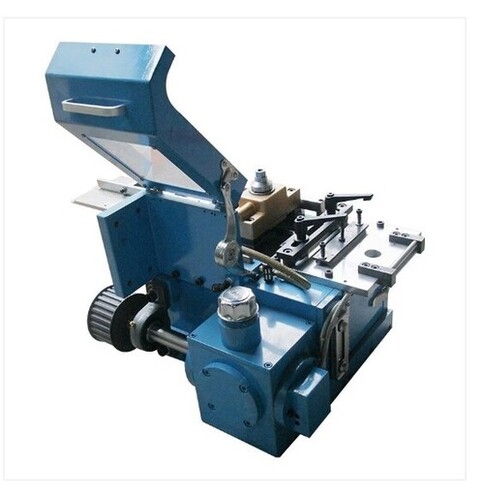
Precision Gripper Feeder
Price 1755 USD ($) / Unit
Minimum Order Quantity : 1 Unit
Application : Industrial
Product Type : Gripper Feeder
Usage : Industrial
Warranty : 12 month
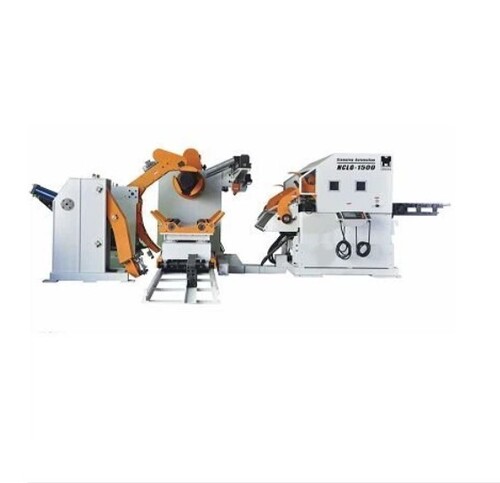
Cut To Length Coil Lines
Price 1750 USD ($) / Unit
Minimum Order Quantity : 1 Unit
Application : Industrial
Product Type : Coil Lines
Usage : Industrial
Warranty : 12 month
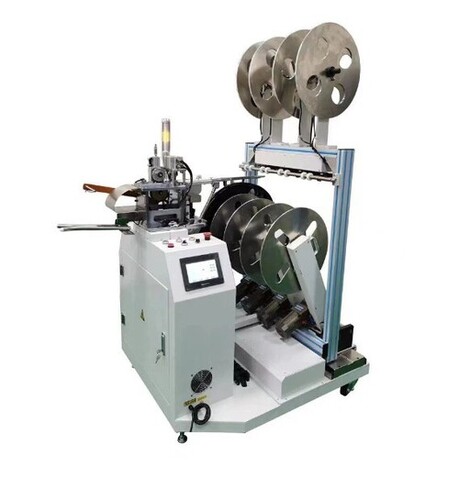
Auto Rewinding Machine
Price 1966 USD ($) / Unit
Minimum Order Quantity : 1 Unit
Application : Industrial
Product Type : Rewinding Machine
Usage : Industrial
Warranty : 12 month
Automatic Coil Decoiler Straightener
Price 2040 USD ($) / Unit
Minimum Order Quantity : 1 Unit
Application : Coil feeding line for press machines

Developed and Managed by Infocom Network Private Limited.

